
The Long Balk
Balk this Way

Newsletter #225

Last week ended up being far busier on several work fronts than I’d originally expected, so we had a bit of blip here last week, but will be returning your usual schedule this week for today, Weds, and Friday. After the various curveballs last week threw our way, I spent as much of the weekend as possible being lazy; it’s not something I get to do very often. In a pattern I’m sure most of you recognize, personal projects tend to get pushed to the weekend even during weeks when you don’t feel like you’re hanging on for dear life, but I gratefully had very little to address this weekend and got to spend some time catching up on movies and reading. We’d wanted to go see Spider-Man: Brand New Day this weekend, but it was quite literally sold out in both our local theaters.
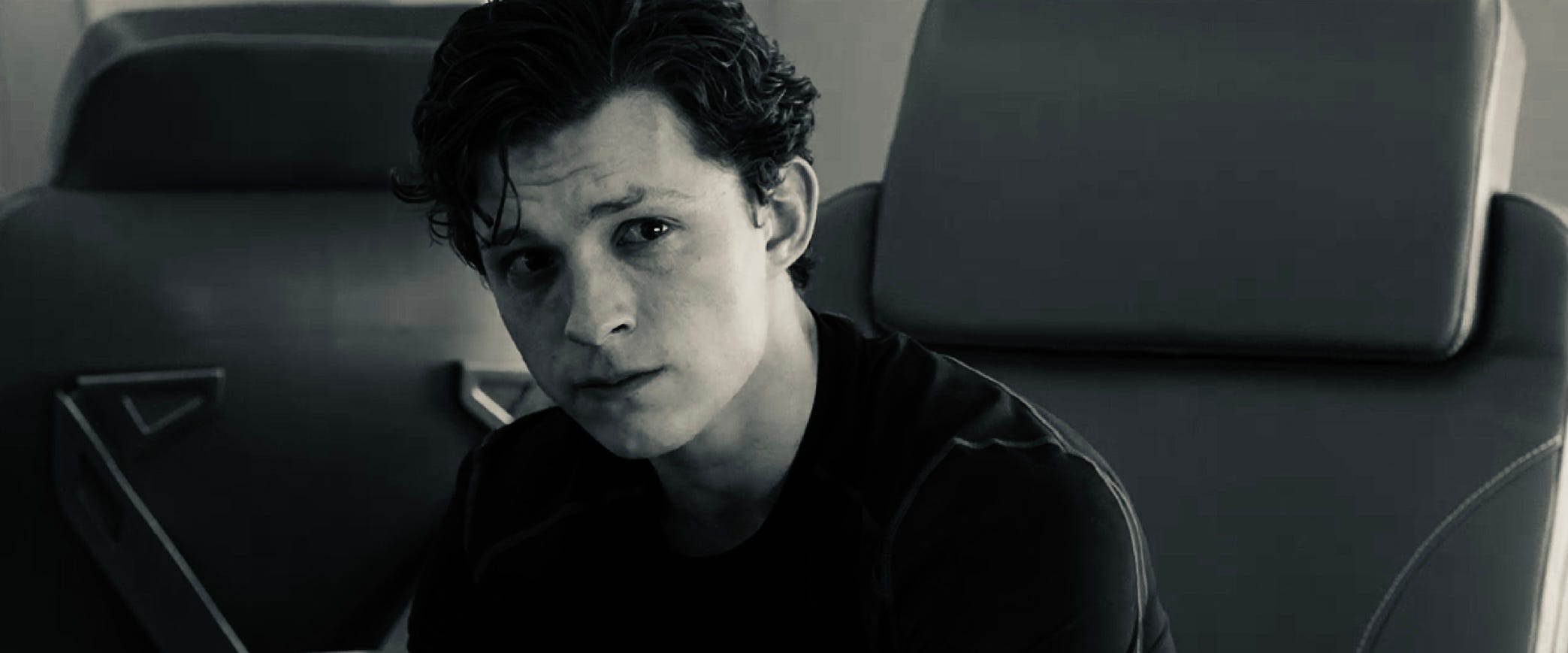
Instead we watched The Long Walk and Supergirl, which - tonally - was a bit like watching Family Feud followed by Jeopardy. Both movies were engaging in their own way, though I don’t think either will remain in the public consciousness for very long. While the former is absolutely brutal in its renditions of gun violence, it ultimately doesn’t have much to say about that violence nor does it use its America-through-the-looking-glass dystopia to comment on dystopian theory or human nature. It just sort of happens, then it ends, leaving the viewer hollow. I suppose it could be argued that the evocative emptiness with which the movie leaves the viewer is by design; I’m just afraid I wouldn’t quite grasp in what way that design would be in service of the narrative that preceded it.
Supergirl, in an odd way, suffers the same fate, albeit in a much more pleasant way, over its similar hour-and-a-half runtime. Alcock as the titular superhero, Jason Mamoa as Lobo, and the story itself were the same kind of fun I’ve talked about with the summer’s other box office disappointments, The Mandalorian and Grogu and Masters of the Universe. Neither of those movies had anything very deep to say, which - if you know me - isn’t the end of the world. I’m positively Adornian when it comes to my view of art, though I don’t view so-called “Low Art” as less worthwhile than “High Art.” Sometimes art needs nothing more than to be evocative in the moment; allowing art to echo in the heart of its consumer is really the only bar art ever need clear to be considered “art.”
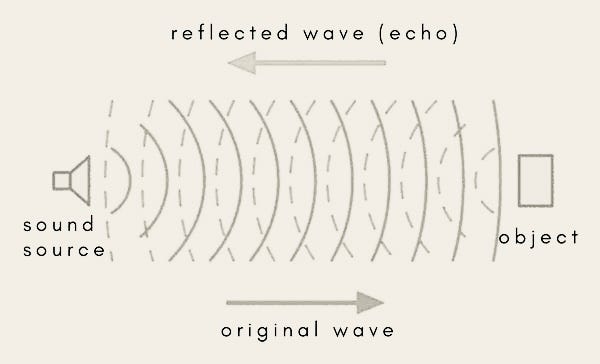
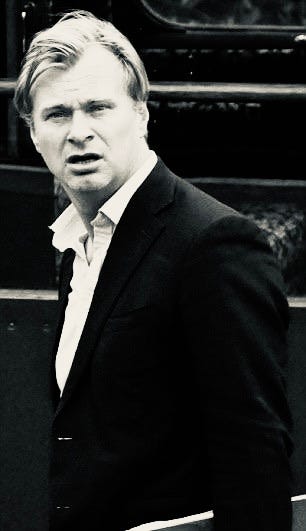
At the same time, art that does not echo, or resounds only briefly before fading to silence, can’t expect to be remembered or lauded alongside the greats. Today’s entry had been intended solely to discuss an interesting notion of criticism advanded by Christopher Nolan in a recent, that the movie-going audience at large has become better at recognizing the tropes underlying narrative while at the same time demonizing the use of tropes - a narrative building block - as visible artifice. I think that’s a really important conversation to have, but I also think it’s interesting to explore the various ways in which we consume and critique narrative, so I’ll see y’all here with more on that next week.
Be kind to yourselves, and to each other. And remember if life throws you a curveball, look high and let it fly. You’ll be surprised how often you go yard.
Wado!